Near Misses in Slots – Why “Almost Winning” Feels So Powerful to the Brain
Almost every slot player has experienced this moment.
The reels spin.
Two jackpot symbols land perfectly.
The third drops slowly into place…
…and stops one position above the payline.
Or just below it.
For a split second, it genuinely feels like:
“That was so close.”
And strangely enough, that feeling can sometimes feel nearly as intense as actually winning.
Modern slot games understand this psychological reaction extremely well.
Because in online slots, “almost winning” is not emotionally neutral at all.
In fact, near misses are one of the most powerful behavioural mechanics in modern casino game design.
And once players understand how near miss psychology works, many slot sessions suddenly start making a lot more sense.
What a Near Miss Actually Is
A near miss happens when a slot result appears visually close to triggering:
- a jackpot,
- bonus round,
- free spins,
- or a major payout.
Common examples include:
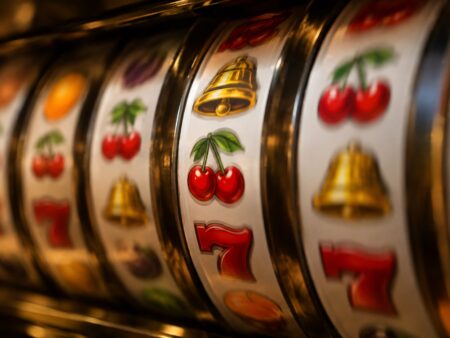
- jackpot symbols landing just outside the payline,
- two scatters appearing instead of three,
- bonus wheels stopping dramatically near activation,
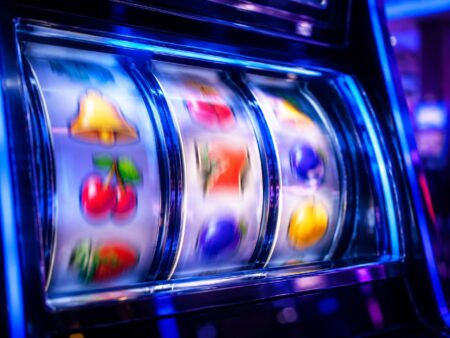
- or reels slowing down right before a premium symbol almost connects.
Technically, the result is still very simple:
a losing spin.
But psychologically?
The brain often interprets it completely differently.
And that difference matters enormously.
The Human Brain Is Extremely Sensitive to “Almost Success”
Humans react strongly to incomplete rewards.
This happens far beyond gambling.
People experience similar emotional tension during:
- penalty shootouts,
- nearly passing an exam,
- almost winning an auction,
- or missing a train by seconds.
The brain treats “almost success” as emotionally significant because it creates:
- anticipation,
- tension,
- frustration,
- and unresolved reward expectation.
Near misses activate many of the same emotional systems connected to actual winning.
Which is exactly why they feel so powerful during slot sessions.
Even though financially, nothing was won.
Dopamine Is More About Anticipation Than Winning
One thing many people misunderstand:
dopamine is not simply the “pleasure chemical”.
In behavioural psychology, dopamine is heavily connected to:
- anticipation,
- motivation,
- reward expectation,
- and uncertainty.
And slot machines are basically engineered uncertainty systems.
Near misses amplify anticipation because the brain interprets them as:
“potential success that almost happened.”
That emotional response increases:
- focus,
- excitement,
- engagement,
- and desire to continue playing.
Which is one reason players often spin again immediately after a near miss.
The experience feels unfinished.
And humans naturally dislike unfinished emotional patterns.
Why Near Misses Can Keep Players Gambling Longer
This is where slot psychology becomes particularly powerful.
After a near miss, many players subconsciously begin thinking:
- “The jackpot feels close.”
- “The machine is warming up.”
- “One more spin could trigger it.”
Even experienced gamblers sometimes fall into this thinking emotionally despite understanding randomness logically.
Because emotionally, near misses create momentum.
The machine suddenly feels:
- active,
- exciting,
- or “ready”.
Even though mathematically, nothing actually changed.
And that distinction is incredibly important.
This is one of the oldest slot myths in gambling. Modern online slots use RNG systems – Random Number Generators. That means every spin is statistically independent from the previous one. The slot does not remember:
- previous losses,
- previous near misses,
- jackpot proximity,
- or “how close” earlier spins looked.
A near miss does not increase the probability of free spins, jackpots, bonus rounds, or future wins. The next spin has exactly the same mathematical structure as the previous one — even if emotionally it feels completely different.
Modern Slot Design Is Built Around Emotional Engagement
This is where things become interesting.
Licensed online slots are not “rigged” in the illegal sense most players imagine.
But game developers absolutely optimise:
- presentation,
- pacing,
- suspense,
- sound design,
- and emotional engagement.
That includes:
- reel speed,
- stopping animations,
- dramatic pauses,
- flashing bonus teases,
- and carefully timed anticipation mechanics.
Especially in high-volatility slot games — see our guide to hit frequency for how volatility and win frequency relate to each other mathematically.
Developers understand that excitement keeps players engaged longer.
And near misses create excitement without requiring the casino to pay an actual win.
From a design perspective, that is incredibly effective.
High Volatility Slots Use Near Miss Psychology Aggressively
Modern high-volatility slots often feel almost cinematic.
Huge multipliers.
Massive jackpots.
Dramatic soundtrack changes.
Bonus symbols hovering near activation.
All of this increases emotional intensity.
Near misses become especially memorable in games built around:
- progressive jackpots,
- large bonus rounds,
- rare max wins,
- or “one spin away” mechanics.
And honestly, many modern slot games are now designed as much around emotional pacing as mathematical structure.
The gambling industry learned long ago that:
attention is profitable.
Players Often Remember Near Misses More Than Normal Losses
This is another fascinating psychological effect.
Most losing spins disappear from memory instantly.
But near misses stick.
Why?
Because human memory prioritises:
- emotional tension,
- suspense,
- unresolved outcomes,
- and moments that feel significant.
That is why players often remember:
“I almost hit the jackpot”
far more vividly than:
“I lost thirty normal spins.”
Emotionally, the near miss feels meaningful.
Mathematically, it was still just another non-winning result.
Small Wins Often Feel Less Exciting Than Near Misses
Oddly enough, near misses can sometimes create stronger emotional engagement than small payouts.
A small win that only slightly exceeds your stake may feel:
- routine,
- flat,
- or insignificant.
A near miss creates:
- tension,
- adrenaline,
- unfinished anticipation,
- and emotional momentum.
The brain becomes focused on:
“trying again.”
And honestly, this is one reason slot sessions can extend much longer than players initially planned.
Gambling Regulators Increasingly Study Near Miss Effects
Researchers have examined near miss psychology for years because of its relationship with:
- compulsive gambling,
- chasing behaviour,
- emotional overspending,
- and extended play sessions.
This is one reason modern gambling regulation increasingly focuses on:
- responsible game design,
- behavioural monitoring,
- and player protection systems.
Especially in online casinos where:
- session speed,
- autoplay mechanics,
- and rapid spin cycles
can amplify emotional engagement dramatically.
The industry knows psychological mechanics influence behaviour.
Regulators know it too.
The Smartest Way to Think About Near Misses
The healthiest mindset is surprisingly simple:
A near miss is still a loss. Emotionally, it may feel exciting, frustrating, motivating, or “close” — but mathematically, the spin outcome remains unchanged.
Understanding that difference helps players avoid irrational thinking, chasing losses, emotional decision-making, and the illusion that a slot machine is “getting ready to pay.” Because honestly, slot games do not operate emotionally. Players do. And that distinction probably explains more about gambling behaviour than most people realise.